In the event you need to close out your Apple Account, you can migrate purchases to another Apple Account.

Apple Account purchases encompass the financial interactions tied to your Apple ID throughout Apple’s digital universe. Whether you’re snagging a new app from the App Store, downloading your favorite track from iTunes, or diving into a subscription like Apple Music, iCloud+, or Apple TV+, every transaction is bound to your Apple ID. This unified account infrastructure ensures that all your purchases, saved payment methods, and active subscriptions are effortlessly synced across your Apple gear—be it an iPhone, iPad, Mac, or Apple Watch—streamlining access to content and simplifying billing. Accepted payment methods include credit cards, Apple Pay, Apple gift cards, and in certain regions, mobile carrier billing.
What’s more, spending through your Apple ID plugs into Apple’s Family Sharing and privacy protections. With Family Sharing, as many as six individuals can access shared purchases and subscriptions without having to give up their personal settings or privacy. You can view your entire purchase history through your device’s Settings or System Preferences, and Apple provides easy-to-use tools for handling refunds, managing recurring charges, and setting up parental restrictions. The result is a secure, intuitive way to keep track of your digital lifestyle and services within Apple’s interconnected world.
TABLE OF CONTENTS
Table of Contents
How do I create an Apple Account?
Setting up an Apple Account—commonly referred to as an Apple ID—is a simple task you can complete on any Apple device or by using a browser. If you’re on a Mac, start by launching System Settings (or System Preferences if you’re using an older macOS). At the top of the window, click Sign In with your Apple ID, then choose Create Apple ID. You’ll walk through a setup wizard that asks for your full name, date of birth, email, and a strong password. You’ll also need to enable two-factor authentication or select security questions, and accept Apple’s user agreement.
If you’re using an iPhone or iPad, head into the Settings app and tap the banner at the top that says Sign in to your iPhone/iPad. Tap Don’t have an Apple ID or forgot it?, then hit Create Apple ID. After entering your information and confirming your email and phone number, you’ll be all set. You can also create your Apple ID at appleid.apple.com from any web browser—just click Create Your Apple ID and complete the online registration. Once your Apple ID is active, it unlocks all Apple services, including iCloud, the App Store, Apple Music, iMessage, and more—all conveniently and securely linked to your Apple identity.
How do I prepare my old Apple Account to migrate purchases to my new Apple Account?
To start, make sure everything’s in order and your Apple accounts qualify for the process. You need to be the confirmed owner of both your existing and future Apple IDs. Each account must be active, valid, and free from restrictions. Keep in mind that accounts belonging to minors or those overseen by institutions like schools or businesses aren’t eligible. Also, the new Apple ID must be relatively unused—heavy purchase history on it could disqualify it from the transfer.
Then, prep both accounts before moving forward. Confirm that purchases and ongoing subscriptions are up to date and still accessible. Be sure to download anything you want to keep permanently, especially any media locked behind digital rights protections, which may not be re-downloadable afterward. You should also move or cancel any subscriptions tied to your old Apple ID. Crucially, back up essential iCloud content like pictures, calendars, contacts, and notes—since Apple doesn’t transfer iCloud data, only certain purchased content like music, movies, books, and apps will be considered.
Once you’re set, it’s time to make the change. Sign out of your previous Apple ID on all devices, then log in with the new one. Keep in mind that not everything is guaranteed to transfer—only eligible purchases may move, and Apple has to approve the request. Their review could take several days. If your request goes through, you’ll be able to download qualifying items using the new Apple ID. However, things like game saves, app-specific files, and anything stored in iCloud will likely stay tied to the old account—so a thorough backup is essential.
What tools are needed to migrate an Apple Account?
To shift content between Apple accounts using Apple’s official Purchase Transfer Tool, you’ll need a few basics—no extra apps or gear required. Most importantly, you must be able to sign into both Apple IDs: the original one where your purchases live, and the new one where you want them to go. Be sure you know the usernames, passwords, and can receive any two-factor codes for both accounts.
You’ll also need a current web browser. Start the process by heading to Apple’s Purchase Transfer Request site using Safari, Chrome, Firefox, or any modern browser from your Mac, PC, iPhone, or iPad. Follow the instructions to input and verify both Apple IDs. Apple may send confirmation codes to the associated emails or phone numbers, so keep those handy and accessible.
A reliable internet connection is important to avoid interruptions. While Apple reviews and potentially moves eligible items—like apps, songs, films, shows, and books—it won’t include iCloud-stored data. You’re in charge of downloading or backing up things like photos, files, and notes beforehand. The entire transfer is handled through Apple’s site, but support may reach out if anything needs to be clarified during their review.
How do I perform the migration?
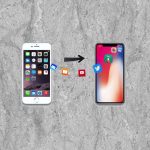
To kick off the transfer, fire up a recent web browser on your Mac, PC, iPhone, or iPad and head to Apple’s Purchase Transfer Request page: support.apple.com/en-us/117294. Tap “Start your request,” then log in with the Apple ID that currently holds the content you want to move. Right after that, you’ll be asked to enter the credentials for your new Apple ID—the one you want the purchases to land on. Be ready to pass any two‑factor authentication checks for both accounts, so make sure your trusted devices or phone numbers are close at hand.
After both sign-ins are verified, Apple will walk you through choosing what kinds of purchases you’d like to move—apps, songs, movies, shows, and books are all fair game. Take your time reviewing the options, then submit your selections. Apple will slot your request into their review queue, and you’ll get a confirmation email within minutes. Once everything is finalized (typically in a few days, depending on how busy they are and whether anything needs double-checking), you’ll receive a follow-up letting you know it’s done.
In the meantime, back up anything stored in iCloud—like photos, files, or contacts—that isn’t covered by the transfer. When you get the final approval email, sign out of the old Apple ID on every device you use, then sign in with the new one. Launch the App Store, Apple Music, Apple TV, or Books apps, and you’ll be able to re-download the purchases you moved. If anything stalls along the way, Apple Support might get in touch for more details—but once cleared, all the content you selected will show up under the new Apple ID, ready to download.
Can I do it from an iPad or iPhone?
Yes, you can perform the Apple ID purchase migration directly from an iPad or iPhone—as long as you use a modern web browser like Safari or Chrome. Apple’s Purchase Transfer Tool is web-based and works on both mobile and desktop devices.
To get started, simply open Safari on your iPhone or iPad and go to https://support.apple.com/en-us/117294. Tap “Start your request” and follow the prompts to sign in with your old Apple ID (the one holding your purchases). After authenticating, you’ll be asked to enter your new Apple ID credentials. Be sure you have access to both email accounts and phone numbers linked to these Apple IDs so you can complete two-factor authentication if required.
Once the request is submitted, you’ll receive updates by email. Even though the request can be made from a mobile device, keep in mind that content like iCloud files, app data, or game progress will not transfer, so it’s a good idea to manually back up those items separately before proceeding.
What can prevent me from migrating my Apple Account purchases to another Apple Account?
Several factors can prevent you from migrating your Apple Account purchases to another Apple ID. One of the primary issues is ineligible accounts. If either Apple ID is associated with a child under 13 (or under 16 in certain regions), the migration cannot proceed. Additionally, accounts created for business or organizational purposes are not eligible. If either account is currently enrolled in an Apple One subscription or part of a Family Sharing group, you’ll need to cancel or leave those programs before starting the transfer.
Account status also plays a major role. If either Apple ID has been locked, disabled, or suspended due to billing issues, security concerns, or violations of Apple’s policies, the migration will be blocked. Apple may also enforce a waiting period if there have been recent changes to the password, security settings, or two-factor authentication on either account.
Not all purchases are eligible to move. Subscriptions, in-app purchases, and certain content tied to third-party services cannot be transferred. Similarly, media or apps that are specific to a country’s App Store may not carry over if you’re transferring between accounts tied to different regions.
Verification problems can also halt the process. Both Apple IDs must have two-factor authentication enabled, and you need to successfully verify access to both accounts. If there are inconsistencies in personal information—such as name, email, or billing details—Apple may delay or deny the transfer until further verification is completed.
Lastly, technical or system issues can get in the way. Using outdated browsers or operating systems may interfere with the process. High server demand or backend issues on Apple’s side can also cause delays or prevent the migration from going through. Ensuring both accounts are current, verified, and compatible with the process is the best way to avoid roadblocks.
- Why should I look for a Mac refurbished by Apple Certified Mac Technicians?
- Why does Apple matter when buying a MagSafe 1 or 2 adapter?

- What is the iPhone Air?
- What does it mean when an external hard drive format is for Mac or for Windows?

- Designed by Apple in California. Loved in Colorado.

- How do I migrate my iTunes and App Store purchases to another Apple Account.
- Boulder Mac Repair is currently purchasing Apple Devices for resale.

- What’s new in iOS 26?