Changing your MacOS password is important if your machine has been compromised.
A macOS password is the password set by a user to secure access to their macOS operating system account. This password is used to log in to the computer and is also required for various administrative tasks such as installing software or changing system settings. It’s crucial to choose a strong and memorable password to ensure the security of your computer and personal data.
Setting a password for your macOS account offers several important benefits:
- Security: A password prevents unauthorized access to your computer and personal data. Without a password, anyone can access your files, applications, and potentially compromise your privacy and security.
- Privacy: Your macOS password helps keep your personal information private, especially if you share your computer with others or if it’s used in a public or shared environment.
- Data Protection: By requiring a password to log in, you reduce the risk of unauthorized users accessing, modifying, or deleting your files and documents.
- Control: A password gives you control over who can use your computer. You can create separate user accounts with different passwords to allow multiple users to have their own personalized settings and files while keeping them separate from each other.
- System Security: Some system-level changes and administrative tasks require entering your macOS password, providing an additional layer of security against unauthorized modifications to system settings or installations of software.
Overall, having a macOS password is an essential aspect of securing your computer and ensuring the privacy and safety of your personal data.
You’re not required to have a password for your macOS account, but it’s strongly recommended for security reasons. macOS allows you to set up a password-free login option, known as automatic login, where the system logs you in automatically without requiring a password. However, using this option means that anyone who has physical access to your computer can immediately access your files and settings without any authentication.
While it might be convenient to bypass the password requirement, it significantly reduces the security of your system. If your computer contains sensitive or personal information, it’s best to set a strong password to prevent unauthorized access and protect your data.

How do I change my MacOS password in Big Sur or earlier?
In macOS Big Sur or earlier versions, you can change your password using the System Preferences. Here’s how to do it:
- Open System Preferences: Click on the Apple menu in the top-left corner of your screen and select “System Preferences.”
- Go to Users & Groups: In the System Preferences window, click on the “Users & Groups” icon. It looks like a silhouette of a person or two people.
- Unlock the Settings: If the padlock icon in the bottom-left corner of the window is locked, click on it and enter your current password to unlock the settings.
- Select Your User Account: In the left sidebar, select your user account for which you want to change the password.
- Change the Password: With your user account selected, click on the “Change Password…” button. It’s located below the user account list.
- Enter Current and New Password: In the dialog box that appears, enter your current password, then enter your new password twice to confirm it. You can also add a password hint if desired.
- Update Password: Click on the “Change Password” button to confirm and update your password.
That’s it! Your password should now be updated. Make sure to remember your new password or store it securely.
How do I change my MacOS password in Ventura or later?
In macOS Ventura or later versions, you can change your password using the System Settings. Here’s how to do it:
- Open System Settings: Click on the Apple menu in the top-left corner of your screen and select “System Settings.”
- Go to Users & Groups: In the System Settings window, along the left side, click on the “Users & Groups” icon. It looks like a silhouette of a person or two people.
- Select Your User Account: In the upper right of the window, select your user account for which you want to change the password and click the “ℹ︎” in the circle.
- Change the Password: With your user account selected, click on the “Change…” button. It’s located below the user account list.
- Enter Current and New Password: In the dialog box that appears, enter your current password, then enter your new password twice to confirm it. You can also add a password hint if desired.
- Update Password: Click on the “Change Password” button to confirm and update your password.
That’s it! Your password should now be updated. Make sure to remember your new password or store it securely.
What are the requirements for a MacOS password?
macOS password requirements can vary slightly depending on the version of macOS you’re using and any specific settings configured by your organization (if applicable). However, here are some typical requirements for a macOS password:
- Length: Passwords typically must be a minimum length, often ranging from 8 to 12 characters or more.
- Complexity: Passwords usually need to include a combination of different types of characters, such as uppercase letters, lowercase letters, numbers, and special characters (e.g., !, @, #, $, %).
- No Common Patterns: Passwords should not contain easily guessable patterns or sequences, such as “123456” or “password.”
- No Dictionary Words: Passwords should not be common words found in dictionaries, as these are easier to guess through dictionary attacks.
- No Usernames or Personal Information: Avoid using your username, full name, or other easily identifiable personal information as part of your password.
- No Reused Passwords: It’s generally recommended not to reuse passwords that you’ve used for other accounts or services.
- Password Aging and History: Some systems enforce password aging policies, requiring users to change their passwords periodically, and may prevent users from reusing recent passwords.
These are general guidelines, and specific requirements may vary depending on the settings configured by your system administrator (if you’re using a managed system) or your own preferences for security. It’s always a good idea to choose a strong, unique password that’s difficult for others to guess or brute-force. Additionally, enabling two-factor authentication (2FA) or multi-factor authentication (MFA) can provide an extra layer of security for your macOS account.
Is it important to remember my MacOS password?
Yes, it’s very important to remember your macOS password. Your password is the primary means of securing access to your computer and protecting your personal data from unauthorized access. Forgetting your password can result in being locked out of your computer, which can be frustrating and may require technical assistance to regain access.
If you forget your macOS password, there are usually methods available to reset it, such as using your Apple ID credentials or accessing your computer in recovery mode or consulting with an Apple repair shop. However, these methods may not always be straightforward, and they might result in the loss of data or other complications. Additionally, if your password is too easily guessed or compromised, it could lead to security risks and potential unauthorized access to your personal information.
To avoid these issues, it’s essential to choose a strong password that you can remember or securely store your password in a trusted password manager. Regularly updating your password and practicing good password hygiene can also help maintain the security of your macOS account.
- Why should I look for a Mac refurbished by Apple Certified Mac Technicians?
- Why does Apple matter when buying a MagSafe 1 or 2 adapter?

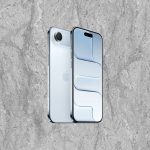
- What is the iPhone Air?
- What does it mean when an external hard drive format is for Mac or for Windows?

- Designed by Apple in California. Loved in Colorado.

- How do I migrate my iTunes and App Store purchases to another Apple Account.

- Boulder Mac Repair is currently purchasing Apple Devices for resale.

- What’s new in iOS 26?