Shortcuts is an Apple application provided with macOS.

The Shortcuts app on Mac is a robust automation tool designed to help you build personalized workflows, making tasks more efficient and boosting productivity. With it, you can automate a series of actions across various apps and system functions, all triggered by a single click, a keyboard shortcut, or a voice command through Siri.
TABLE OF CONTENTS
What are key features of Shortcuts?
Task Automation: Design personalized shortcuts to handle repetitive actions, such as renaming multiple files, composing emails, or modifying system preferences.
Seamless App Integration: Compatible with native apps like Safari, Mail, and Finder, as well as third-party applications that support Shortcuts.
Multi-Device Syncing: Shortcuts automatically sync across Mac, iPhone, and iPad, enabling use across all your Apple devices.
Flexible Activation: Execute shortcuts via the menu bar, Finder Quick Actions, Dock, Spotlight, Siri, or assigned keyboard shortcuts.
Ready-Made Shortcuts: Access a collection of pre-designed shortcuts to simplify everyday tasks right from the app’s gallery.
Where is the Shortcuts App located on my Mac?
The Shortcuts app is found in the Applications folder on your Mac. Here are different ways to access it:
Using Spotlight Search:
- Press Command (⌘) + Spacebar to open Spotlight.
- Type “Shortcuts” and press Return to launch the app.
Through the Applications Folder:
- Open Finder and navigate to the Applications folder.
- Scroll down and double-click Shortcuts to open it.
Via Launchpad:
- Open Launchpad (either from the Dock or with a trackpad gesture).
- Search for Shortcuts and click the icon to open it.
From the Dock (if available):
- If you’ve previously used the app, it may still be in your Dock.
- Click the Shortcuts icon to launch the app.
Can I remove the Shortcuts App from my Mac?
No, the Shortcuts app is a built-in macOS application and cannot be fully deleted. However, if you don’t want to use it, you can hide or disable it in several ways:
Remove It from the Dock
- Right-click the Shortcuts icon in the Dock.
- Select Options > Remove from Dock to hide it.
Move It Out of Sight
- Open Finder and navigate to the Applications folder.
- Drag Shortcuts into a different folder (e.g., “Utilities”) to keep it out of view.
Disable Background Activity
If you don’t want shortcuts running automatically:
- Open Shortcuts and go to Settings (⌘ + ,).
- Uncheck any automation features you don’t need.
Restrict Access with Screen Time
- Go to System Settings > Screen Time > App Limits.
- Add Shortcuts and set a 1-minute daily limit to effectively block it.
Since it’s a system app, complete removal isn’t possible, but these methods can help minimize its visibility and usage.
What kinds of tasks can I do with Shortcuts?
The Shortcuts app helps automate tasks, improve efficiency, and simplify daily actions. Here are some practical ways to use it:
1. File & Folder Management
- Batch rename multiple files
- Convert file formats (e.g., PNG to JPG)
- Move or organize files into designated folders
- Create backups of important documents
2. System & Productivity Enhancements
- Launch a set of apps automatically when you start your Mac
- Switch between light and dark mode
- Connect to a specific Wi-Fi network
- Adjust system settings (e.g., change volume, enable Focus Mode)
3. Internet & Browsing
- Open multiple websites in separate tabs simultaneously
- Save articles to Reading List or Pocket
- Convert a webpage to a PDF and store it in a folder
- Quickly search highlighted text on Google or Wikipedia
4. Email & Messaging
- Send a pre-written email with one click
- Schedule messages for a later time
- Create email templates for quick responses
5. Calendar & Reminders
- Generate a new calendar event with pre-filled details
- Add tasks to Reminders based on emails or messages
- Activate “Meeting Mode” to enable Do Not Disturb and launch Zoom
6. Media & Screenshots
- Resize and watermark images in bulk
- Convert videos to GIFs
- Take a timed screenshot and save it to a designated folder
7. Music & Audio
- Start a playlist when you begin working
- Convert audio files between formats
- Set a sleep timer to stop music playback
8. Automation & Smart Home Controls
- Manage HomeKit devices (e.g., adjust lights, thermostat)
- Start a bedtime routine with dimmed lights and calming sounds
- Log daily habits in a notes app
With these capabilities, the Shortcuts app turns repetitive tasks into seamless, one-click actions, making your Mac experience more efficient.
What are good resources for learning how to use Shortcuts?
If you want to learn Shortcuts on Mac, here are some great resources to help you master automation:
1. Apple’s Official Resources
- Apple Shortcuts User Guide – Apple’s official documentation with step-by-step instructions.
- Apple Support: Shortcuts – Articles and guides on using and troubleshooting Shortcuts.
- Shortcuts Gallery (in the app) – Pre-made shortcuts you can explore, edit, and learn from.
2. Video Tutorials
- YouTube:
- MacMost – Great tutorials on macOS and Shortcuts.
- Snazzy Labs – Covers automation and productivity tips.
- David Sparks (MacSparky) – Deep dives into Shortcuts and Apple automation.
- LinkedIn Learning – Paid courses covering macOS automation, including Shortcuts.
- Skillshare & Udemy – Look for Shortcuts-specific courses from experienced Mac users.
3. Websites & Blogs
- MacStories: Shortcuts Archive – A massive collection of advanced shortcuts with explanations.
- MacMost.com – Guides and videos for beginner and advanced users.
- Shortcuts Directory – A community-driven site with ready-to-use shortcuts.
4. Books & PDFs
- “Take Control of Shortcuts” by Rosemary Orchard – A deep dive into Shortcuts for all skill levels.
- “The MacSparky Shortcuts Field Guide” by David Sparks – A premium guide with videos, examples, and advanced automation techniques.
5. Hands-On Learning & Practice
- Open the Shortcuts app and explore pre-built shortcuts.
- Modify existing shortcuts before creating your own.
- Join Reddit’s r/shortcuts or Apple’s Shortcuts forum to ask questions and get ideas.
Want a Quick Example to Try?
Let’s Build Your First Shortcut: “Quick Email to Yourself”
This shortcut will let you quickly send yourself an email with a subject and body using Mail. You can run it from the Shortcuts app, the menu bar, or even with Siri.
Step-by-Step Guide
1. Open the Shortcuts App
- Go to Applications > Shortcuts and open it.
- Click the + (New Shortcut) button in the top-right.
- Name it “Quick Email to Myself”.
2. Add the “Send Email” Action
- In the left panel, click Apps > Mail (or use the search bar).
- Find and drag “Send Email” into the workflow area.
3. Customize the Email
- In the Recipient field, type your own email address.
- In Subject, type “Quick Note” (or leave it blank for manual input).
- In Message, click the + button and select Ask Each Time (so you can type a message when running the shortcut).
4. Add an Optional Prompt
- Click the + button in the editor, then search for “Ask for Input” and drag it above the “Send Email” action.
- Set it to “Text” and label it “Enter your note”.
- Drag the small “Provided Input” token into the Message field of the email action.
5. Save & Test It
- Click Done (top-right).
- Run the shortcut by clicking Play (▶).
- Type a message and check your inbox!
Bonus: Run It with a Keyboard Shortcut or Siri
- Click the Settings icon (⚙️) in the top-right.
- Click Add Keyboard Shortcut and choose a custom key combo (e.g., ⌘ + Option + E).
- Enable Use with Siri, so you can say “Hey Siri, Quick Email to Myself”.
Now You Have an Instant Email Shortcut!
- Why should I look for a Mac refurbished by Apple Certified Mac Technicians?
- Why does Apple matter when buying a MagSafe 1 or 2 adapter?

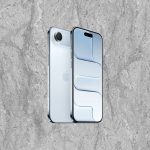
- What is the iPhone Air?
- What does it mean when an external hard drive format is for Mac or for Windows?
- Designed by Apple in California. Loved in Colorado.

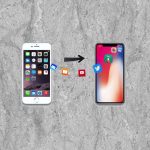
- How do I migrate my iTunes and App Store purchases to another Apple Account.
- Boulder Mac Repair is currently purchasing Apple Devices for resale.

- What’s new in iOS 26?