Apple classifies certain Mac models as vintage or obsolete, the Apple Store may refer to these models in this way but what does it mean?
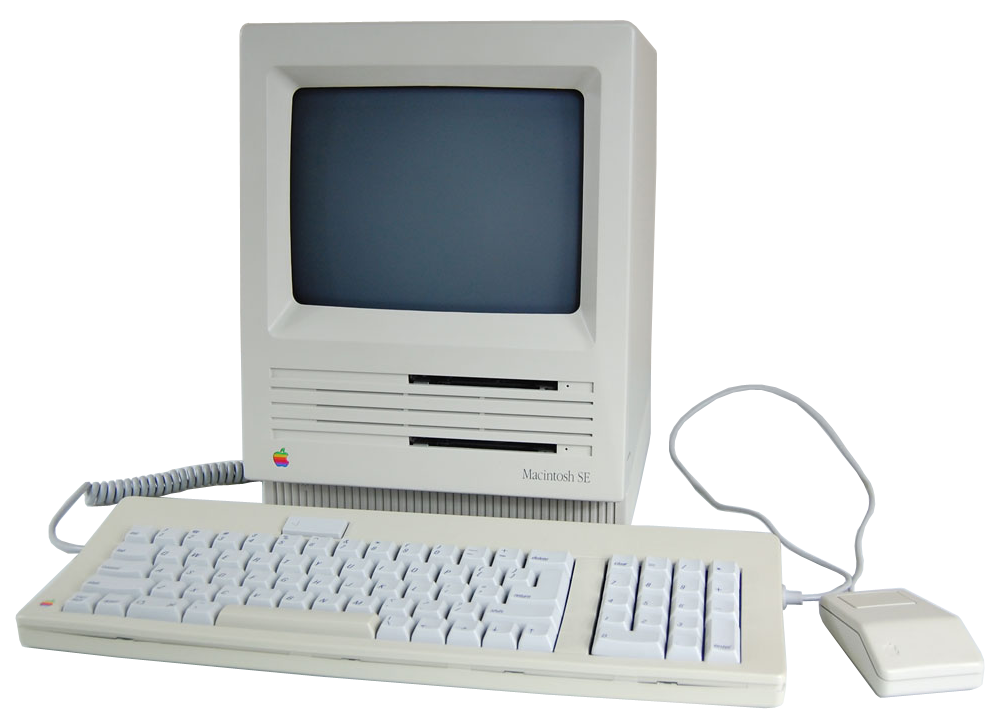
You might’ve come across these terms during a visit to the Apple Store—but what do they actually mean? Here’s a breakdown of Apple’s product classifications and what your options are if your Mac is labeled as “vintage” or “obsolete.”
What does Apple mean when they say a Mac is vintage?
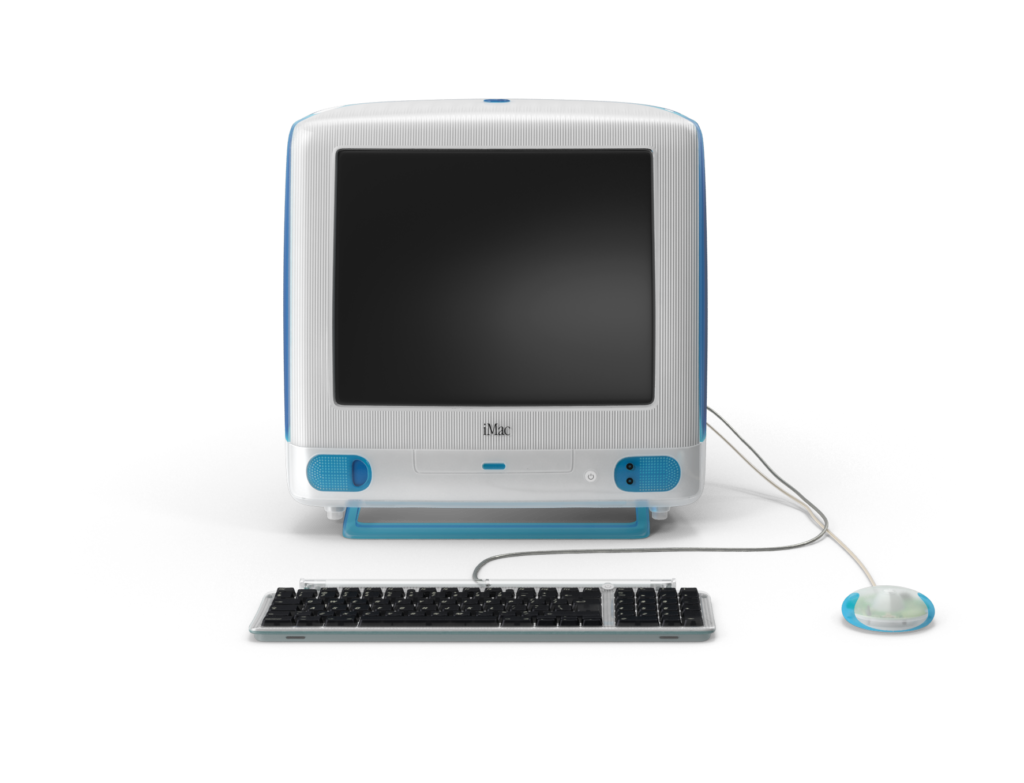
Generally speaking, the word “vintage” describes objects from an earlier era that have stood the test of time—valued not just for their age, but for their quality, character, and historical charm. Whether it’s fashion, furniture, collectibles, or tech, vintage items are often admired for their craftsmanship, distinctive design, and the cultural moments they represent. Think of a 1960s typewriter, a well-worn denim jacket, or a classic ‘70s record player—these pieces capture the spirit of their time and continue to resonate with new generations.
But what does “vintage” mean when it comes to your Mac? In Apple’s terminology, a Mac is considered vintage once it’s been off the market for more than five years but less than seven. During this window, Apple might still offer repairs or replacement parts—but only if those parts are still in stock. In some regions, like California, laws require manufacturers to support products for up to seven years, which can improve service availability. Still, once your Mac enters vintage territory, support from Apple Stores and Authorized Service Providers becomes more limited, signaling the beginning of its transition out of Apple’s official repair ecosystem.
What does Apple mean when they say a Mac is obsolete?
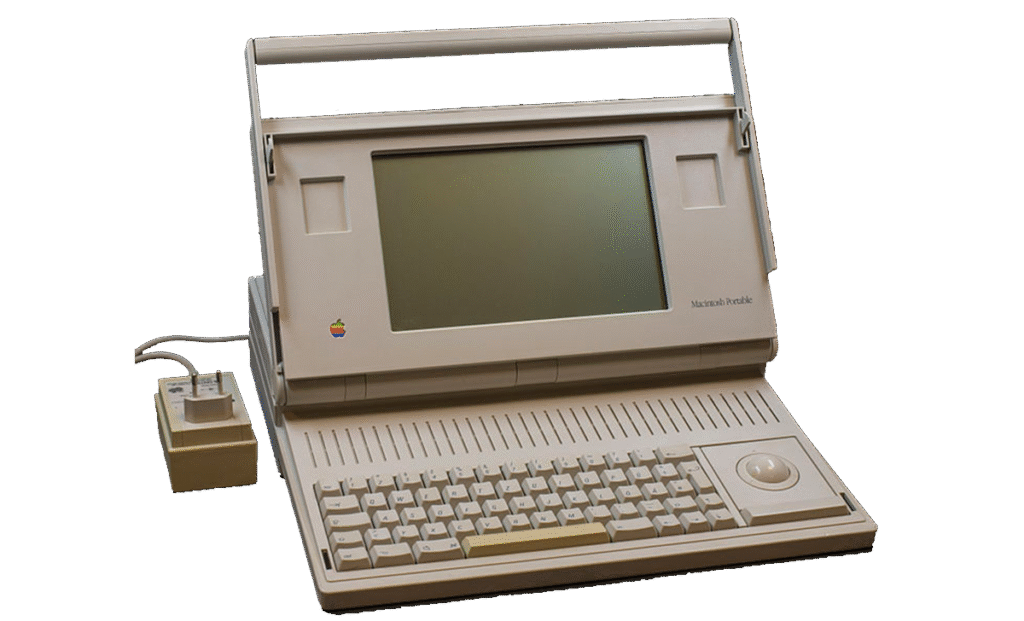
When Apple designates a Mac as obsolete, it means the product was discontinued more than seven years ago. At that point, Apple permanently ends all hardware service and parts availability—regardless of the circumstances. This policy applies across the board, from Apple Stores to Authorized Service Providers worldwide. Even if parts still exist, Apple won’t perform repairs or service. While software support usually ends long before this stage, once a Mac reaches obsolete status, any remaining official support—especially for hardware—is fully retired. These devices are considered entirely outside Apple’s service ecosystem.
How do I get support if my Mac is more than 5 years old?
Boulder Mac Repair is dedicated to servicing, supporting, and upgrading vintage and obsolete Macs—because these machines often have plenty of usable life left. While Apple discontinues hardware support for Macs more than five to seven years old, many of these systems remain perfectly capable of handling everyday tasks like web browsing, email, word processing, media playback, and even light photo or video editing. Boulder Mac Repair recognizes the value in keeping these devices running—not only to extend their usefulness, but also to help customers avoid the high cost of replacing a computer prematurely.
Unlike Apple Authorized Service Providers, who must follow strict repair guidelines—especially for vintage or obsolete products—Boulder Mac Repair has chosen not to participate in that program. This gives them the freedom to work on a much broader range of Macs, including those that Apple has officially retired. Whether it’s replacing a failing hard drive with a fast SSD, upgrading memory, fixing GPU issues, or installing modern macOS versions using community-developed tools, Boulder Mac Repair goes far beyond what Apple permits—breathing new life into aging Macs.
All services are performed by fully Certified Mac Technicians, ensuring the same level of expertise and professionalism you’d expect from Apple—just with more flexibility and personal attention. The team has deep experience with the entire Mac lineup, from vintage iMacs and MacBook Pros to Mac minis and Mac Pros, including machines dating back a decade or more. Using high-quality parts, advanced diagnostics, and industry best practices, they help maximize both reliability and performance after every upgrade or repair.
By extending the life of vintage and obsolete Macs, Boulder Mac Repair helps make Mac ownership more affordable—especially for students, freelancers, small business owners, and budget-conscious users. Instead of spending thousands on a new Mac, customers can invest a fraction of that cost to get their current system running like new. It’s a practical, empowering solution for those who want to stay productive using the tools they already trust.
Supporting older Macs is also the environmentally responsible choice. E-waste is a growing global issue, and countless perfectly functional devices end up in landfills simply because official support has ended. Boulder Mac Repair is committed to changing that by giving Macs a second, third, or even fourth life. Through repair and reuse—not replacement—they help reduce the environmental impact of tech consumption, all while delivering genuine value to customers and the local community.
Why does Apple build Macs to become vintage or obsolete?
Apple doesn’t intentionally design Macs to become vintage or obsolete. Instead, the company builds its products and support policies around innovation, efficiency, and a consistent upgrade cycle. As technology evolves rapidly, Apple focuses on advancing new hardware, software, and performance standards. To keep pace, older Macs are gradually phased out of official support—allowing Apple to streamline manufacturing, minimize compatibility issues, and concentrate engineering efforts on cutting-edge features that meet current performance and security expectations.
However, Apple’s push for sleek, integrated design often comes at the expense of long-term repairability and upgradability. Many modern Macs have soldered RAM, glued-in batteries, and proprietary components that limit how long a device can be serviced or upgraded—even if the core hardware is still perfectly functional. Once a Mac is more than five to seven years old, it is classified as vintage or obsolete, making it increasingly difficult for users to obtain service or parts through Apple—even when the machine is still capable of handling everyday tasks.
This lifecycle approach supports Apple’s business model by encouraging regular upgrades and accelerating the adoption of new technologies. But it also presents challenges for users who prefer to keep their Macs running for the long haul or who may not have the budget to upgrade frequently. That’s where independent repair shops like Boulder Mac Repair come in—offering the support, repairs, and upgrades that Apple has officially phased out.
In essence, Apple’s “vintage” and “obsolete” labels are about balancing technological progress with finite support resources—not about planned obsolescence. Still, the outcome is the same: even reliable, fully functional Macs can be left behind. Thankfully, with the right expertise and service, these machines can continue to perform well for years—long after Apple moves on.
Do vintage or obsolete Macs increase in value as collectors machines?
Yes, some vintage or obsolete Macs do increase in value as collector’s items—but not all. A Mac’s collectible worth depends on several key factors, including:
-
Rarity
-
Historical significance
-
Physical condition
-
Presence of original packaging and accessories
-
Its place in Apple’s design or innovation timeline
For example, early and iconic models like the original Macintosh 128K (1984), the Macintosh SE, the PowerBook 100 series, and colorful versions of the iMac G3 are often in demand. These models mark major turning points in Apple’s hardware evolution and are seen as symbols of technological or cultural importance.
Limited-edition or short-run devices—such as the 20th Anniversary Macintosh (TAM) or early MacBooks with experimental features—may also command a premium due to their scarcity and unique design.
However, most Macs that are simply old do not gain collector value. A 2012 MacBook Pro or a 2015 iMac might still be highly usable, but they’re not rare or historically significant, so their market value typically declines over time. Unless they gain cult status or become part of a niche collector trend, they tend to follow standard tech depreciation curves.
Condition is critical: Macs in mint condition with original boxes, manuals, installation media, and accessories are worth significantly more than those in poor shape. Working units also fetch higher prices, although non-functional Macs can still be of interest to collectors for parts or display purposes.
Here are some of the most valuable vintage Macs:
1. Macintosh 128K (1984)
- Why it’s valuable: The original Macintosh, introduced in 1984, was the first mass-market personal computer with a graphical user interface and mouse.
- Estimated value: $1,500–$5,000+ (even more for sealed or signed units)
2. Apple Lisa (1983)
- Why it’s valuable: Predecessor to the Macintosh, the Lisa was Apple’s first computer with a GUI. It was commercially unsuccessful but is now extremely rare.
- Estimated value: $5,000–$20,000+
3. Macintosh SE/30 (1989)
- Why it’s valuable: Regarded as one of the best compact Macs of its time, praised for its speed and expandability.
- Estimated value: $500–$2,000 depending on condition and upgrades
4. Twentieth Anniversary Macintosh (TAM) (1997)
- Why it’s valuable: A limited-edition, luxury Mac with a unique design. Only about 12,000 units were made.
- Estimated value: $1,000–$7,000+
5. iMac G3 in Rare Colors (1998–2001)
- Why it’s valuable: The Bondi Blue iMac revived Apple’s fortunes, and some of the later colors (like “Flower Power” or “Blue Dalmatian”) are rare and collectible.
- Estimated value: $300–$1,500 (rarer colors and boxed sets fetch more)
6. PowerBook 100 Series (1991)
- Why it’s valuable: The original PowerBook line helped define modern laptop design. The PowerBook 100, in particular, was designed in collaboration with Sony.
- Estimated value: $300–$2,000
7. Macintosh Portable (1989)
- Estimated value: $500–$3,000 depending on working condition
8. iBook Clamshell (1999)
- Why it’s valuable: Iconic design and bright colors make it a favorite among collectors and retro enthusiasts.
- Estimated value: $250–$1,000, especially for rare colors like Tangerine or Graphite
9. NeXT Computer (1988)
- Why it’s valuable: Not technically a Mac, but created by Steve Jobs after he left Apple. The NeXTSTEP OS became the foundation for macOS.
- Estimated value: $2,000–$15,000 depending on configuration
10. Apple-1 (1976)
Estimated value: $500,000–$1.5 million at auction
Bring your vintage or obsolete Mac to Boulder Mac Repair
Just because your Mac has been labeled vintage or obsolete by Apple doesn’t mean it’s ready for the landfill! If you need support for a Mac that’s over five years old, seven years old, or even older, bring it to Boulder Mac Repair for a no-pressure quote.
Our fully Certified Mac Technicians are committed to helping you get the most out of your device—regardless of its age. Whether you need a repair, upgrade, or just want to see if it’s worth reviving, we’re here to help.
No appointment necessary. Walk-ins welcome.
- Why should I look for a Mac refurbished by Apple Certified Mac Technicians?
- Why does Apple matter when buying a MagSafe 1 or 2 adapter?

- What is the iPhone Air?
- What does it mean when an external hard drive format is for Mac or for Windows?
- Designed by Apple in California. Loved in Colorado.

- How do I migrate my iTunes and App Store purchases to another Apple Account.

- Boulder Mac Repair is currently purchasing Apple Devices for resale.

- What’s new in iOS 26?