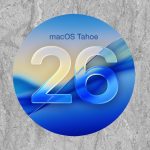
iOS 26 is set to release in Fall 2025.

When Apple unveiled the first iPhone in 2007, it also introduced its groundbreaking mobile software—what we now know as iOS. Back then, it was dubbed “iPhone OS,” and it shattered industry norms by eliminating styluses and physical keyboards in favor of an intuitive touch-driven interface. Its clean, gesture-based design set a new standard for user interaction. Engineered atop macOS, the system prioritized ease of use, speed, and safety. At launch, it focused on essentials: calling, texting, browsing the web, and—starting in 2008—the game-changing App Store, which turned the iPhone into a platform for endless third-party innovation.
Since then, iOS has undergone a rapid-fire evolution, with each new version ushering in major enhancements. iOS 4 rolled out multitasking and FaceTime; iOS 5 introduced iMessage and iCloud; and iOS 7 reimagined the visual design with bright colors, flat icons, and transparent effects. Apple has fine-tuned the experience year after year, layering in features like Siri, Control Center, and stronger privacy tools. The software continued to expand in lockstep with hardware upgrades—think Touch ID, Face ID, and neural engines that enable advanced on-device intelligence.
By the close of the 2010s and into the 2020s, iOS had grown into a polished, flexible, and privacy-focused ecosystem. In 2019, Apple gave the iPad its own dedicated operating system—iPadOS—freeing it to evolve independently. With versions from iOS 14 through iOS 18, we saw the debut of the App Library, interactive widgets, smarter Focus Modes, and tighter integration across Apple’s product family. No longer just a phone OS, iOS became the heartbeat of Apple’s connected future—a platform that merges artificial intelligence, personal customization, and frictionless sync across devices.
TABLE OF CONTENTS
Table of Contents
What changes are coming in iOS 26?
iOS 26 unveils a striking new visual identity for the iPhone through its Liquid Glass aesthetic—a sweeping design evolution not seen since the days of iOS 7. The refreshed interface showcases translucent, glass-inspired surfaces that shift and shimmer across the system, delivering an experience that feels alive and tactile. These visual effects touch every corner of the OS—from the Control Center and multitasking view to icons and system menus—forming a unified look that aligns seamlessly with the styles of macOS 26 and iPadOS 26. The Lock Screen also sees a dramatic upgrade, featuring a free-floating, adaptive clock that glides smoothly around widgets and notifications, deeper personalization options, and refined motion effects. Altogether, iOS 26 ushers in a sophisticated and forward-thinking look for the iPhone.
But the update isn’t just about looks—iOS 26 goes all-in on intelligence with tight integration of Apple Intelligence, Apple’s groundbreaking on-device AI system. Real-time communication features like Live Translation enable instant interpretation of spoken and written language in Messages, FaceTime, and Phone calls—without data ever leaving your device. With Visual Intelligence, your iPhone can examine screenshots, photos, or emails and suggest relevant actions—like spotting landmarks, creating events, or fetching helpful responses via Apple’s ChatGPT partnership. On the creative front, tools like Image Playground and Genmoji let you dream up images and custom emojis through natural language prompts. Meanwhile, app makers gain access to powerful new APIs that bring advanced AI features to third-party apps—without sacrificing user privacy.
The core iPhone experience also gets a thoughtful upgrade across everyday apps. The Phone app now includes Call Screening to vet unknown callers, a redesigned interface that unites Favorites and Voicemail, and smart conveniences like Hold Assist. Messages gains shared typing indicators in group chats, built-in polls, and animated, even AI-generated backgrounds. In Photos, a bottom nav bar returns for faster browsing alongside vivid new 3D visual effects, while Camera controls are now easier to access, letting you quickly tweak frame rates and resolution. Additional improvements span a new Apple Games hub, refinements in Apple Music, updated Maps and Wallet features (including support for digital U.S. passports), custom ringtones via the Files app, and full HDR screen recording. In every corner, iOS 26 combines advanced intelligence, rich personalization, and a bold new interface—marking it as Apple’s most transformative iPhone update in a decade.
What iPhones are supported on iOS 26?
Apple’s latest iOS 26 extends its welcome mat to a broad lineup of iPhones, kicking off with the iPhone 11 and including every model since. That means the full iPhone 12, 13, 14, and 15 series make the cut—along with the second and third-generation iPhone SE. The soon-to-arrive iPhone 17 family will, of course, come ready with iOS 26 straight out of the box. Every supported device packs at least an A13 Bionic chip under the hood, delivering the horsepower Apple requires for this generation’s software magic.
That said, some familiar faces are being shown the door. The iPhone XR, iPhone XS, and iPhone XS Max—all powered by the now-aging A12 Bionic—are officially left behind. Apple’s no stranger to this kind of trim, and the move lines up with its usual practice of retiring hardware that can’t keep pace with cutting-edge features like high-end graphics rendering and on-device machine learning.
Keep in mind, just because a device can install iOS 26 doesn’t mean it unlocks every new trick. The headline Apple Intelligence tools—including on-the-fly translation, custom Genmoji, and Visual Intelligence powered by ChatGPT—demand the A17 Pro chip or better. As a result, only the iPhone 15 Pro, 15 Pro Max, and the full iPhone 16 line get the deluxe experience. Owners of earlier models will still enjoy major improvements—like the sleek new Liquid Glass interface and refreshed app designs—but without access to the latest AI-driven features.
✅ Supported Devices (A13 Bionic or newer):
- iPhone 11, 11 Pro, 11 Pro Max
- iPhone SE (2nd & 3rd generation)
- iPhone 12, 12 mini, 12 Pro, 12 Pro Max
- iPhone 13, 13 mini, 13 Pro, 13 Pro Max
- iPhone 14, 14 Plus, 14 Pro, 14 Pro Max
- iPhone 15, 15 Plus, 15 Pro, 15 Pro Max
- iPhone 16, 16 Plus, 16 Pro, 16 Pro Max, and 16 e
- Future iPhone 17 series will ship with iOS 26
🛑 Dropped Support (A12 Bionic models):
- Phone XS & XS Max
- iPhone XR
Apple Intelligence Features
While all supported devices will receive the iOS 26 update, the advanced Apple Intelligence capabilities—such as Live Translation, Visual Intelligence with ChatGPT integration, Genmoji, and Adaptive Power Mode—are limited to devices with the A17 Pro chip or newer:
- iPhone 15 Pro, 15 Pro Max, and all iPhone 16 models
How Do I prepare to upgrade to iOS 26?
Start by confirming your iPhone is eligible for the update. iOS 26 rolls out support for the iPhone 11 lineup and anything newer—including the 2nd and 3rd generation iPhone SE, plus the 12, 13, 14, 15, and 16 series. Not sure which model you’re holding? Just tap into Settings > General > About to find your device name. You’ll also want to make sure there’s ample space available—aim for at least 10–15 GB free to accommodate the download and installation without hiccups.
Next up: back up your iPhone like a pro.
Although most updates go smoothly, having a current backup ensures you’re covered if something unexpected happens. You can back everything up to iCloud by heading to Settings > [your name] > iCloud > iCloud Backup > Back Up Now, or connect your phone to a Mac or PC and use Finder or iTunes. If you already use iCloud Photos or have Messages in iCloud turned on, those items are syncing continuously—but a full device backup includes things like app data, preferences, and Home Screen arrangements.
Before you dive into the update, make sure your apps and iOS 25 are fully current.
App developers often push updates in advance to ensure their software plays nicely with new iOS versions. It’s also a good idea to hold off a day or two after iOS 26 goes live, unless you’re the adventurous type—sometimes early bugs crop up and Apple squashes them quickly. Once you’re set, plug your iPhone into a charger, connect to Wi‑Fi, and go to Settings > General > Software Update to download and install iOS 26 with confidence.
Are there reasons I would not want to upgrade to iOS 26?
While iOS 26 debuts flashy upgrades like the sleek Liquid Glass UI and advanced Apple Intelligence, there are a few valid reasons why some users might hit pause before diving in. A frequent hesitation comes down to how well older devices handle the update. Though iPhones dating back to the iPhone 11 are eligible, the newer features may push the hardware harder. If you’re running low on storage or your battery is showing its age, you might experience a dip in speed, responsiveness, or battery life—particularly during the initial adjustment period while iOS 26 is busy reindexing behind the scenes.
Another point of caution: app and accessory compatibility. Big software jumps can occasionally catch third-party developers off guard, leading to hiccups with everyday essentials—from calendar apps to banking software or smart home setups. If you rely on certain tools for work or routine tasks, it’s wise to double-check with app creators or online communities to see how they’re faring on iOS 26. The same goes for connected gear—things like pro audio equipment, scanning devices, or specialized business accessories may not play nice immediately.
Finally, some users might feel underwhelmed by the AI-focused additions—especially if they own a device that doesn’t support Apple Intelligence. A lot of the buzz around iOS 26 centers on exclusive features like Genmoji, Visual Intelligence, and system-wide smart enhancements, but those are limited to the iPhone 15 Pro and the iPhone 16 lineup. If your phone doesn’t qualify, and iOS 25 is already running smoothly, there’s no harm in waiting to see how iOS 26 shakes out before making the leap.
Why iOS 26 and not iOS 19?
Apple didn’t leap to the name iOS 26 on a whim—or skip ahead from iOS 18 as some sort of branding stunt. Instead, the jump follows the cadence of Apple’s yearly release rhythm, rooted in a timeline that stretches back to the original iPhone’s launch in 2007. Each year has brought a new iOS version, starting with iOS 1 and ticking upward with each major release. By 2024, the public had iOS 17 in hand, followed by iOS 18 later that same year. With 2025 came iOS 26—not out of order, but right on track with Apple’s internal versioning system and its broader effort to streamline platform numbering.
The confusion arises because Apple doesn’t always broadcast every version bump to the public. Some updates are strictly for developers or internal testing, which makes it look like certain version numbers are skipped. But the reality is more technical. Apple’s OS family—macOS, iPadOS, watchOS, and iOS—now shares synchronized versioning for clarity and cohesion. For instance, the launch of macOS 26 Tahoe and iPadOS 26 alongside iOS 26 wasn’t a coincidence. It’s part of a unified vision that helps developers align features and compatibility across devices more easily.
So no, Apple didn’t teleport from iOS 18 to iOS 26 for shock value. It’s just the natural continuation of a version lineage that’s now harmonized across its ecosystem. The higher number isn’t a reboot—it’s a reflection of platform maturity, development consistency, and Apple’s push toward a more cohesive multi-device experience.
How does iOS 26 close the gap with macOS and iPadOS, how does it compare?
iOS 26 narrows the divide between iPhone and its larger-screen counterparts—macOS 26 Tahoe and iPadOS 26—by unifying aesthetics, intelligence, and ecosystem behavior in a way that feels truly seamless. The headline change is the debut of the Liquid Glass design framework: a translucent, fluid, and motion-reactive interface that now spans Apple’s major operating systems. With shimmering layers, responsive depth effects, and semi-transparent UI components, iOS finally matches the visual sophistication long seen on the Mac and iPad. From revamped Control Center panels and elegant notification cards to floating widgets and fluid menu transitions, the entire interface speaks the same design language across devices—making the experience feel more interconnected than ever.
Under the hood, iOS 26 pulls in high-powered tools once confined to desktop-class hardware. The most transformative addition is the deep integration of Apple Intelligence—Apple’s on-device AI framework that is now foundational across the ecosystem. Just like on the Mac and iPad, iPhone users gain access to contextual superpowers like Genmoji, Image Playground, Visual Intelligence, and real-time Live Translation. These features unlock intelligent enhancements across key apps such as Safari, Photos, Messages, and Mail, enabling smarter workflows and richer interactions. The uniformity of these tools means AI behaves consistently whether you’re texting from your iPhone, sketching on your iPad, or writing an email on your Mac.
Equally impressive is the tighter thread of cross-device continuity woven into iOS 26. Familiar Apple staples like Handoff, AirDrop, and Universal Clipboard work more reliably and intuitively, while new features elevate the sense of flow across screens. Shared Screen upgrades allow real-time assistance or collaboration in apps, Live Collaborationwithin Messages makes group productivity effortless, and Captive Assist ensures your device connects to trusted Wi‑Fi hotspots automatically. Even multitasking has gotten a boost, with more agile app switching and improved memory handling, helping the iPhone feel more capable in heavy-use scenarios. Altogether, iOS 26 isn’t just drawing inspiration from its siblings—it’s locking arms with them, delivering a unified experience where every Apple device feels like part of the same thoughtful whole.
- What is the iPhone Air?
- What does it mean when an external hard drive format is for Mac or for Windows?
- Designed by Apple in California. Loved in Colorado.

- How do I migrate my iTunes and App Store purchases to another Apple Account.
- Boulder Mac Repair is currently purchasing Apple Devices for resale.

- What’s new in iOS 26?
- What’s new in iPadOS 26?
- What’s new in macOS 26 Tahoe?